
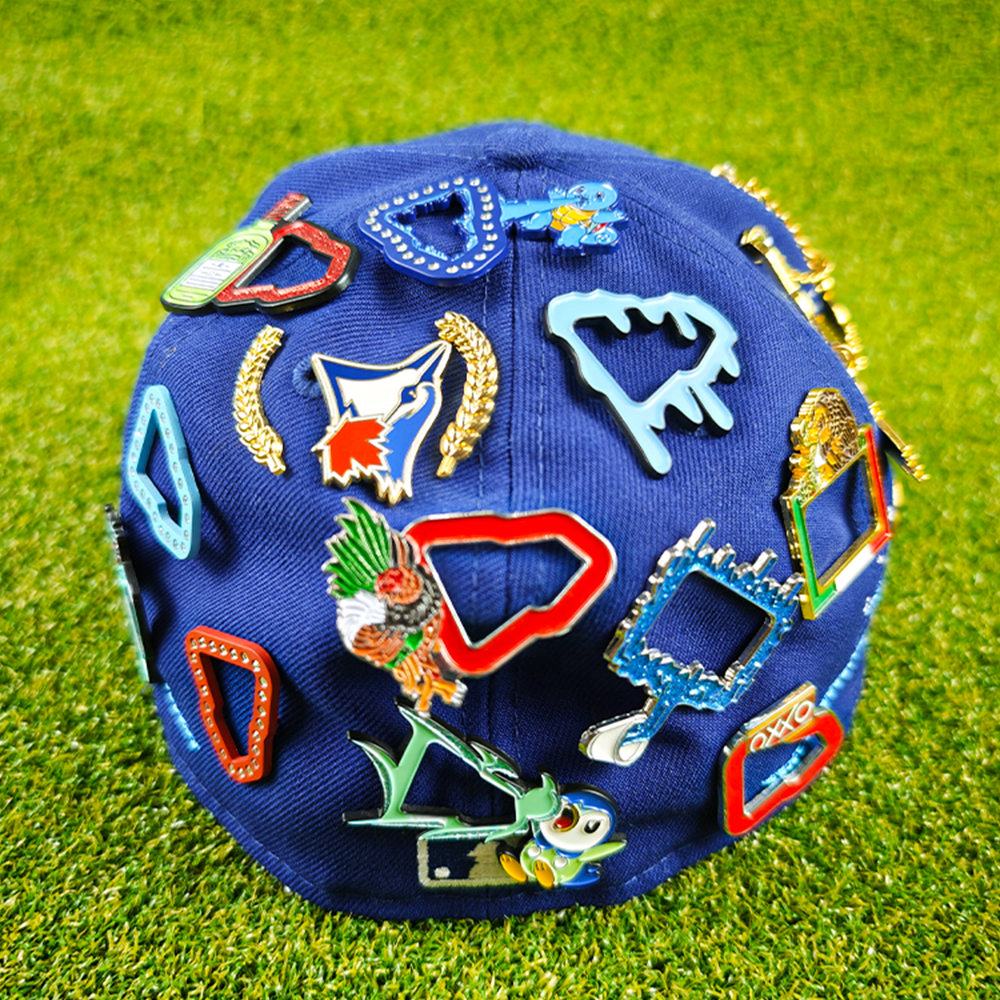
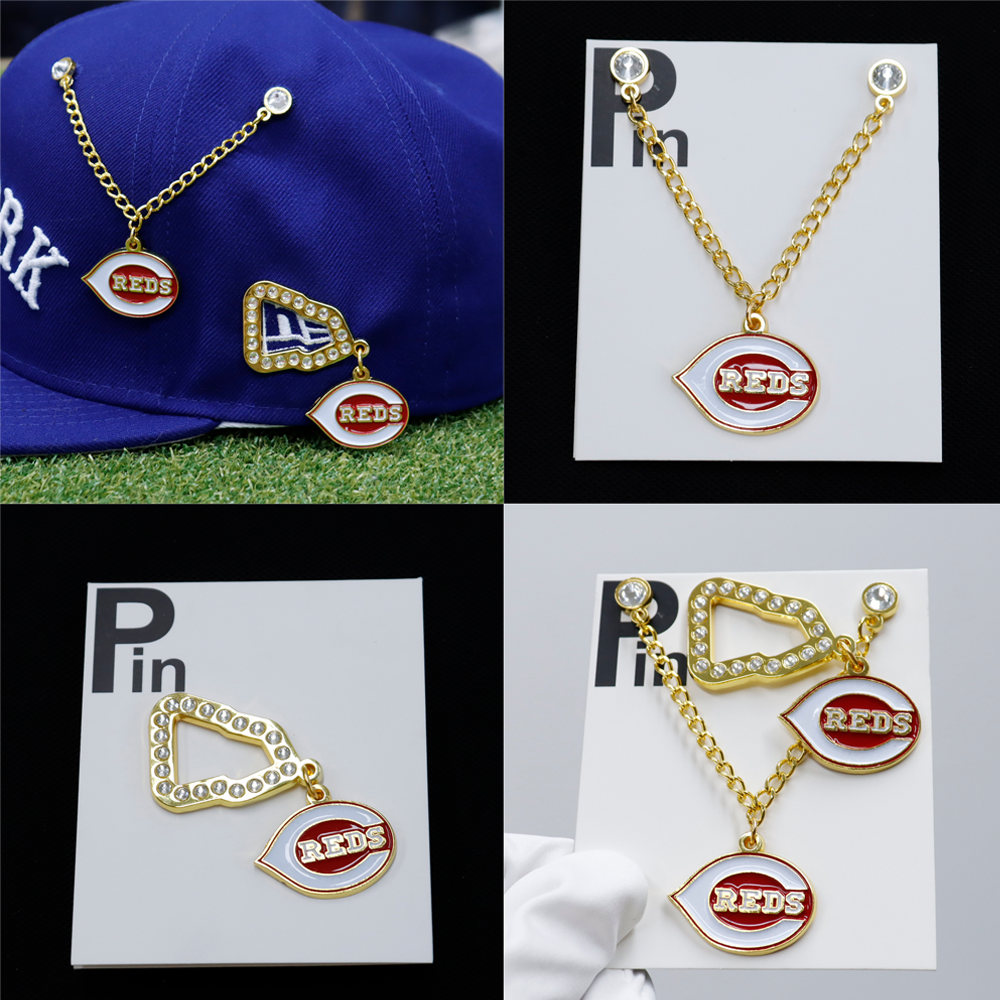
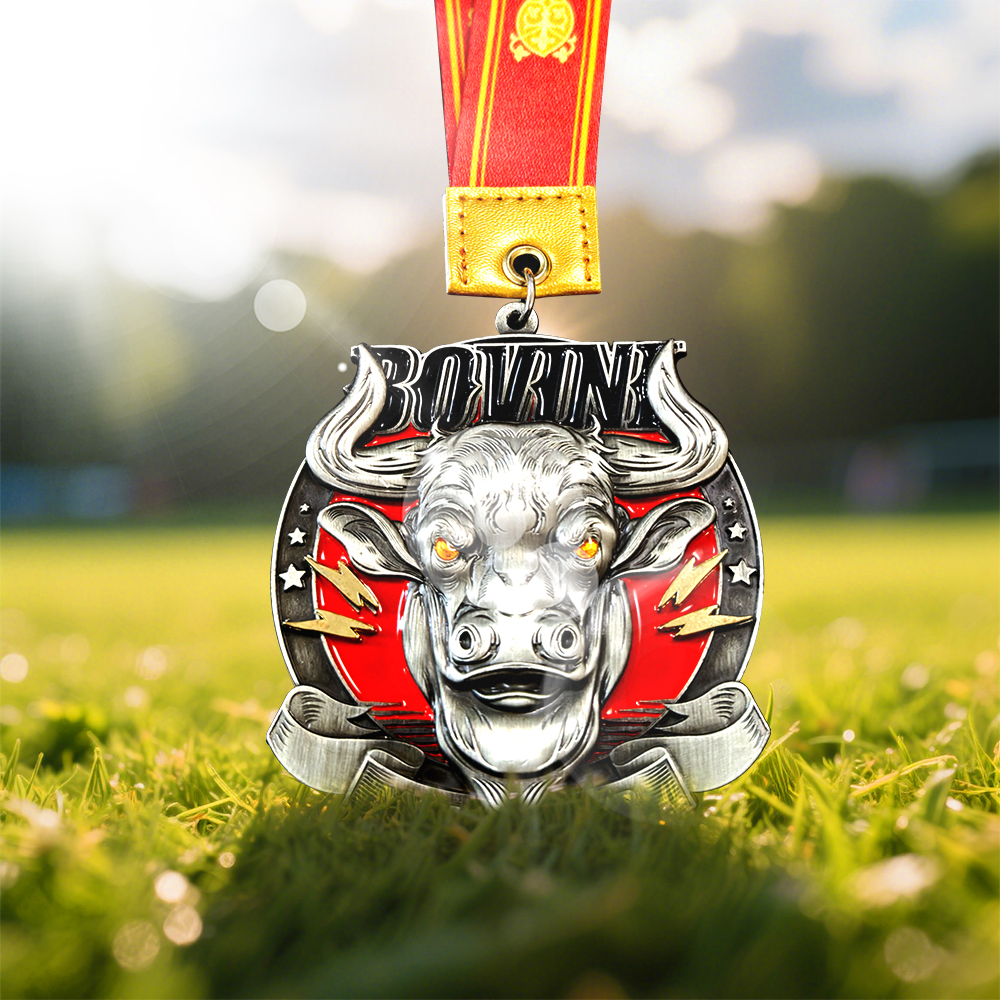
How to display medals on wall?
Medal Craftsmanship Mastery
Techniques, Preservation & Display
Craftsmanship Techniques
Medal craftsmanship is an ancient art that combines technical precision with artistic vision to create lasting tributes to achievement, service, and excellence. From the intricate designs etched into military decorations to the elegant displays that showcase personal collections, every aspect of medal creation and preservation requires skill, knowledge, and attention to detail. In this comprehensive guide, we explore the techniques, methods, and best practices that go into creating, preserving, and displaying medals of all types, from Olympic gold to military honors and everything in between.
The Art of Medal Craftsmanship
Medals are more than just objects; they are tangible symbols of achievement, sacrifice, and excellence that tell stories of human courage, dedication, and perseverance. The craftsmanship involved in creating these timeless treasures requires a unique blend of technical skill, artistic talent, and historical knowledge. Whether you're a collector, a veteran, or someone looking to create custom awards, understanding the art of medal craftsmanship is essential to appreciating and preserving these meaningful artifacts.
?️ Medal Display Techniques
1 How to display medals on wall?
Displaying medals on a wall is both an art and a science that requires careful consideration of several factors including the type of medals, available space, aesthetic preferences, and preservation needs. The goal is to create a display that honors the significance of the medals while protecting them from damage and deterioration.
For military medals, it's important to follow the official order of precedence when arranging them. The highest honor should be placed in the top-left position, with other medals arranged in descending order of importance. This varies by branch of service, so it's important to consult the appropriate guidelines for Army, Navy, Air Force, Marine Corps, or Coast Guard medals.
Another popular display option is the medal frame, which is similar to a shadow box but with a more traditional picture frame appearance. Medal frames are ideal for smaller collections or individual medals that deserve special attention. They can be customized with mats, engravings, and other decorative elements to create a unique display piece.
For larger collections, custom-built display cases or wall-mounted cabinets provide both protection and visibility. These can be designed to hold dozens or even hundreds of medals, with adjustable shelves, lighting, and other features to enhance the display.
Regardless of the display method chosen, proper maintenance is essential to preserving the medals' condition. This includes regular dusting, avoiding direct sunlight, maintaining stable humidity levels, and periodic inspection for signs of damage or deterioration.
?️ Military Medal Services
2 Where to buy replacement military medals?
Obtaining replacement military medals requires careful consideration to ensure authenticity, quality, and adherence to military regulations. There are several reputable sources for replacement military medals, each with its own advantages and considerations. Whether you're a veteran seeking to replace lost or damaged medals, a family member preserving a loved one's service legacy, or a collector building a historical collection, knowing where to find authentic replacement medals is essential.
When seeking replacement military medals, it's important to verify the authenticity of the medals and the reputation of the seller. Authentic military medals should meet the exact specifications set by the U.S. government, including correct dimensions, materials, finishes, and engravings. Many authorized vendors provide certificates of authenticity with their medals.
The cost of replacement medals varies depending on the type of medal, the materials used, and the source. Government-issued replacement medals are often provided at no cost to veterans, while commercial replacements can range from $10 for common ribbons to several hundred dollars for rare or prestigious medals like the Medal of Honor (which is strictly regulated and not available for general purchase).
In addition to the medals themselves, many vendors offer related services such as medal mounting, ribbon bars, display cases, and engraving. Medal mounting is the process of attaching medals to a backing board in the proper order of precedence for wear or display. This service is often performed by professional medal mounting services that specialize in military honors.
For veterans seeking to replace medals for personal wear or display, it's important to follow the proper protocols and regulations regarding the wearing and display of military medals. The Uniform Code of Military Justice (UCMJ) prohibits the unauthorized wearing or display of military medals and awards, so it's essential to ensure that replacements are obtained through proper channels.
Overall, obtaining replacement military medals is a process that requires patience, attention to detail, and respect for the significance of these honors. By working with reputable sources and following proper procedures, veterans and their families can preserve the legacy of military service and ensure that these important symbols of sacrifice and dedication are properly honored.
3 How to find out what medals a veteran was awarded?
Discovering which medals a veteran was awarded is an important step in preserving their military legacy and honoring their service. This process involves researching official military records, understanding the different types of awards, and knowing where to find reliable information. Whether you're a family member seeking to learn more about a loved one's service, a historian researching military history, or a veteran trying to document their own awards, the process requires patience, attention to detail, and knowledge of military record-keeping systems.
The National Personnel Records Center (NPRC) is the primary repository for military personnel records and is the best place to start research. The center maintains records for veterans who served in the Army, Navy, Air Force, Marine Corps, and Coast Guard from World War I to the present. The NPRC also has records for veterans who served in the National Guard and Reserves.
The process of requesting records from the NPRC can take several weeks, so it's important to plan accordingly. The center receives thousands of requests each day, and processing times can vary depending on the complexity of the request and the availability of records.
In addition to the NPRC, there are several other resources available for researching military medals and awards:
When researching military medals, it's important to understand the different categories of awards:
Researching military medals is not just about identifying which awards a veteran received; it's about understanding the significance of those awards and the service and sacrifice they represent. Each medal tells a story of courage, dedication, and service to country, and preserving these stories is an important part of honoring our nation's veterans.
8 What is Medal of Honor?
The Medal of Honor is the highest military decoration awarded by the United States government, presented to members of the armed forces who distinguish themselves through "conspicuous gallantry and intrepidity at the risk of life above and beyond the call of duty" while engaged in action against an enemy of the United States. First established during the Civil War, the Medal of Honor represents the nation's highest recognition of military valor and sacrifice.
The Medal of Honor is awarded by the President of the United States, in the name of Congress, and is often referred to as the "Congressional Medal of Honor." The award process is extremely rigorous, requiring extensive documentation and verification of the heroic actions. Many recipients are awarded the medal posthumously.
Recipients of the Medal of Honor receive numerous benefits and privileges, including a monthly pension, special travel accommodations, invitations to presidential inaugurations and state dinners, and the right to wear the medal at all times. They also receive special recognition at military ceremonies and events.
The Medal of Honor represents the highest ideals of military service and sacrifice. Each recipient's story is a testament to courage, selflessness, and devotion to duty, and these stories continue to inspire generations of service members and civilians alike. The medal serves as a reminder of the extraordinary lengths ordinary people will go to protect their country and fellow citizens.
10 Where is the National Medal of Honor Museum?
The National Medal of Honor Museum is a significant institution dedicated to preserving and honoring the stories of Medal of Honor recipients. As of 2024, there are two main facilities associated with the Medal of Honor: the National Medal of Honor Memorial and Museum in Mount Pleasant, South Carolina, and the Medal of Honor Museum in Arlington, Texas. Each serves an important role in educating the public about the heroic actions and sacrifices of Medal of Honor recipients.
Both museums play important roles in preserving the legacy of Medal of Honor recipients and educating the public about the values of courage, selflessness, and duty that these heroes represent. They offer a variety of educational programs, special events, and community outreach initiatives designed to inspire future generations.
In addition to these two main museums, there are several other Medal of Honor-related sites and memorials throughout the United States:
The National Medal of Honor Museum Foundation is the organization responsible for supporting these museums and memorials. The foundation works to ensure that the stories of Medal of Honor recipients are preserved and shared with future generations through educational programs, exhibits, and special events.
Visiting a Medal of Honor museum is a powerful experience that allows visitors to learn about the extraordinary courage and sacrifice of America's military heroes. These institutions serve as important reminders of the values that make our nation great and inspire us to live lives of courage, integrity, and service to others.
? Medal Preservation & Restoration
4 What is the most gold medals won in one Olympics?
The record for the most gold medals won in a single Olympic Games is 8 gold medals, achieved by American swimmer Michael Phelps at the 2008 Beijing Olympics. This remarkable achievement broke the previous record of 7 gold medals set by Mark Spitz at the 1972 Munich Olympics, a record that had stood for 36 years.
• 400m Individual Medley: 4:03.84 (World Record)
• 200m Freestyle: 1:42.96 (World Record)
• 200m Individual Medley: 1:54.23 (World Record)
• 100m Butterfly: 50.58 (World Record)
• 200m Butterfly: 1:52.03 (World Record)
Relay Events:
• 4×100m Freestyle Relay: 3:08.24 (World Record)
• 4×200m Freestyle Relay: 6:58.56 (World Record)
• 4×100m Medley Relay: 3:29.34 (World Record)
What made Phelps' achievement even more remarkable was that he set 7 world records and one Olympic record during his 8 gold medal performances. His victory in the 100m butterfly was particularly dramatic, as he won by just 0.01 seconds over Serbia's Milorad Čavić, touching the wall with his fingertips after Čavić appeared to have won the race.
Mark Spitz's 1972 record of 7 gold medals had been considered one of the most unbreakable records in sports history. Spitz himself famously predicted that his record would stand for at least 50 years, but Phelps proved him wrong just 36 years later.
Other athletes who have won multiple gold medals in a single Olympics include:
The record for the most gold medals in a single Olympics by a female athlete is 6, achieved by Soviet gymnast Larisa Latynina at the 1956 Melbourne Olympics. American swimmer Katie Ledecky came close to this record at the 2020 Tokyo Olympics, winning 5 gold medals and 1 silver medal.
Michael Phelps' achievement of 8 gold medals in a single Olympics remains one of the most remarkable feats in sports history. It required not only exceptional physical talent but also incredible mental focus, strategic planning, and the ability to perform at the highest level in multiple events over a two-week period. Phelps' record is a testament to the dedication, discipline, and determination required to reach the pinnacle of athletic achievement.
5 What is the value of a gold medal?
The value of a gold medal is a complex combination of its intrinsic material worth, historical significance, sentimental value, and market demand. While Olympic gold medals are not made of solid gold, their value extends far beyond the metal they contain. Understanding the true value of a gold medal requires considering multiple factors including its composition, historical context, condition, and provenance.
Military gold medals, such as the Medal of Honor, have even higher historical and sentimental value. The Medal of Honor is the highest military decoration awarded by the United States government and is extremely rare, with only 3,515 recipients in history. While it is illegal to sell or purchase the Medal of Honor, if such medals were available on the market, they would likely be worth millions of dollars.
Other types of gold medals, such as those awarded for academic achievement, scientific discovery, or artistic excellence, also have significant value beyond their material worth. These medals often represent lifetime achievements and contributions to society, making them priceless to the recipients and their families.
For collectors, the value of gold medals is determined by a combination of historical significance, rarity, condition, and market demand. Collectors often specialize in specific types of medals, such as Olympic medals, military medals, or academic medals, and build collections that reflect their interests and expertise.
Preserving the value of gold medals requires proper care and maintenance. This includes storing them in protective cases, avoiding exposure to moisture and harsh chemicals, and handling them with care to prevent damage. Many collectors also invest in insurance to protect their valuable collections.
Ultimately, the true value of a gold medal cannot be measured in monetary terms alone. These medals represent the highest levels of achievement, sacrifice, and excellence, and their value lies in the stories they tell and the inspiration they provide. Whether won by an Olympic athlete, a military hero, or a scientific pioneer, gold medals are tangible symbols of human potential and the pursuit of excellence.
9 How much is the Olympic gold medal worth?
The value of an Olympic gold medal is a multifaceted concept that encompasses material worth, historical significance, sentimental value, and market demand. While the intrinsic value of the metals used in modern Olympic gold medals is relatively modest, their true value extends far beyond their composition, often reaching into the millions of dollars for historically significant medals.
The most valuable Olympic medals ever sold at auction include:
For modern Olympic medals, the value is often more sentimental than financial. Athletes who win Olympic gold medals typically keep them as cherished mementos of their achievement, and many pass them down as family heirlooms. However, some athletes have chosen to sell their medals to support charitable causes or to address financial needs.
Olympic committees and organizing bodies also place significant value on the design and production of Olympic medals. Each host city creates unique medal designs that reflect the culture and themes of the Games, making each set of medals a work of art as well as a symbol of athletic achievement.
Preserving the value of Olympic medals requires proper care and maintenance. This includes storing them in protective cases, avoiding exposure to moisture and harsh chemicals, and handling them with care to prevent damage. Many museums and collectors use specialized display cases with UV-protective glass to prevent fading and deterioration.
While the monetary value of Olympic gold medals varies widely, their true value lies in what they represent: the culmination of years of hard work, dedication, and sacrifice; the pursuit of excellence; and the spirit of international competition and friendship that defines the Olympic Games.
? Medal Craftsmanship & Production
6 Can you buy an Olympic medal?
Yes, Olympic medals can be purchased, but the process is complex and subject to various legal, ethical, and practical considerations. The availability of Olympic medals for purchase depends on several factors including the age of the medal, its historical significance, the athlete's willingness to sell, and compliance with Olympic regulations and laws.
When considering purchasing an Olympic medal, several important factors must be evaluated:
It's important to note that some countries have laws regulating the sale of military decorations and medals, including Olympic medals that may have military connections. In the United States, for example, the Stolen Valor Act prohibits the unauthorized wearing or display of military medals, but does not specifically prohibit their sale.
Many Olympic athletes choose not to sell their medals, preferring to keep them as cherished mementos or pass them down as family heirlooms. When medals do become available for sale, it's often because they have been inherited by family members who do not have the same emotional attachment to them.
For collectors interested in Olympic memorabilia but unable to afford authentic medals, there are alternative options including replica medals, participation medals, and other Olympic-themed collectibles. These items can provide a more affordable way to own a piece of Olympic history.
Overall, buying an Olympic medal is a significant investment that requires careful research, expert advice, and a thorough understanding of the market. For serious collectors, however, owning an authentic Olympic medal can be a rewarding way to preserve and honor the history of the Olympic Games and the athletes who have competed in them.
7 What is in the box at the Olympics medal ceremony?
The boxes used in Olympic medal ceremonies contain more than just the medals themselves; they are carefully designed presentation cases that enhance the significance of the award and serve as lasting keepsakes for the athletes. These boxes are an important part of the medal ceremony tradition and are often created with as much attention to detail as the medals they contain.
The design of Olympic medal boxes varies significantly from one Games to the next, reflecting the culture, traditions, and artistic sensibilities of the host country. Each host city is responsible for creating unique medal designs and presentation boxes that showcase their national identity and the themes of the Games.
In recent years, there has been a growing emphasis on sustainability in the design and production of Olympic medal boxes. Host cities are increasingly using recycled materials, sustainable woods, and eco-friendly production methods to create boxes that reflect the Olympic movement's commitment to environmental responsibility.
The production of Olympic medal boxes is often a collaborative effort involving designers, craftsmen, and manufacturers from the host country. Many boxes incorporate traditional craftsmanship techniques and local materials, making each box a work of art in its own right.
For athletes, the medal box is more than just packaging; it is a cherished keepsake that protects and displays their Olympic medal for years to come. Many athletes display their medals in these boxes at home or in offices, and the boxes often become family heirlooms passed down through generations.
Collectors also value Olympic medal boxes as important parts of Olympic memorabilia collections. A complete set including both the medal and its original box is significantly more valuable than a medal alone, as the box provides important context and provenance for the medal.
In summary, the boxes used in Olympic medal ceremonies are carefully designed, culturally significant containers that enhance the value and meaning of the medals they hold. They reflect the artistic vision of the host country, incorporate sustainable design principles, and serve as lasting reminders of the athletes' achievements and the spirit of the Olympic Games.
Master Craftsmanship Techniques
Display Mastery
Learn the art of creating stunning medal displays that honor achievement while protecting valuable medals from damage and deterioration
Preservation Expertise
Discover professional techniques for cleaning, restoring, and preserving medals to maintain their beauty and value for generations
Authentication Skills
Develop the knowledge needed to verify the authenticity of medals and understand their historical significance and value
Custom Creation
Explore the process of designing and creating custom medals that perfectly capture the essence of achievement and recognition
Elevate Your Medal Craftsmanship
Whether you're preserving military honors, creating custom awards, or building a valuable collection, mastering the art of medal craftsmanship requires knowledge, skill, and attention to detail. Our team of experts specializes in all aspects of medal creation, preservation, and display, offering professional services that honor the significance of these important symbols of achievement. From custom medal design and fabrication to restoration and conservation, we provide the expertise you need to create, protect, and showcase medals of all types.
The Timeless Art of Medal Craftsmanship
Medal craftsmanship is an ancient art that continues to evolve with modern techniques and materials while preserving the traditions and values that make medals such powerful symbols of achievement. From the intricate designs etched into military decorations to the elegant displays that showcase personal collections, every aspect of medal creation and preservation requires skill, knowledge, and passion.
In this comprehensive guide, we've explored the techniques, methods, and best practices that go into displaying, preserving, and understanding medals of all types. We've learned how to create stunning displays that honor achievement while protecting valuable medals, how to research and verify military awards, and how to understand the true value of Olympic and other prestigious medals.
Whether you're a veteran preserving military honors, a collector building a valuable collection, or someone looking to create custom awards for special achievements, the knowledge and techniques shared in this guide will help you approach medal craftsmanship with confidence and expertise.
Remember that behind every medal is a story – of courage, dedication, achievement, and sacrifice. Preserving these stories through proper care, display, and documentation is an important responsibility that ensures these symbols of excellence continue to inspire and honor for generations to come.
At our medal craftsmanship studio, we are dedicated to preserving the art and tradition of medal making while embracing modern techniques and materials. Our team of skilled artisans and preservation experts offers a full range of services including custom medal design and fabrication, restoration and conservation, display design, and authentication. Whether you need a single custom medal or comprehensive collection management, we have the expertise to bring your vision to life.
Contact us today to learn more about our medal craftsmanship services and how we can help you create, preserve, and showcase medals that honor achievement and inspire excellence.
How to make a medal?
How to select medals for different types of events?
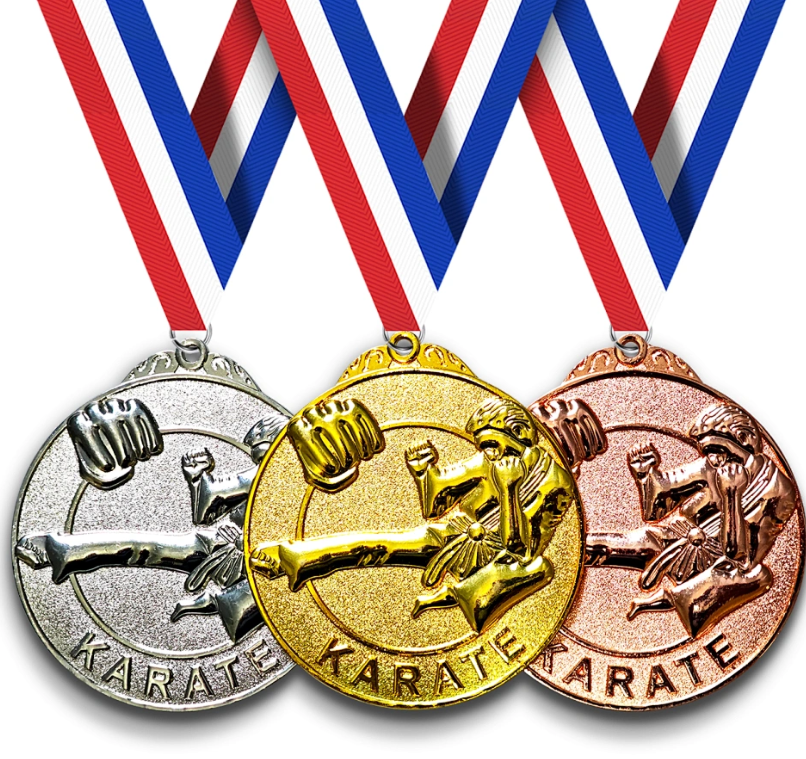


For more questions please
contact us

+86 1347760487

sales15@longyimetal.com

BUILDING 1, NO. 7, YINGHE 2ND STREET, YAOSHAN, XIEGANG TOWN, DONGGUAN CITY, GUANGDONG PROVINCE