
10 Medal FAQs: History, Types & Significance
10 Medal FAQs: History, Types & Significance
Table of Contents
- What Are the Different Types of Religious Medals?
- What Are the Material Requirements for Olympic Medals?
- What Is the Highest Honor Among Military Medals?
- When Was the First Medal Awarded in History?
- Which Olympic Medal Winner Has the Most Gold Medals?
- What Are Common Medal Traditions in Award Ceremonies?
- What Types of Medals Recognize Sports Achievements?
- What Are the Eligibility Criteria for Military Medals?
- What Is the Symbolism and Meaning Behind Religious Medals?
- How Has Medal Design Evolved Throughout History?
What Are the Different Types of Religious Medals?
There are numerous types of religious medals, each with specific meanings and purposes. Some of the most common include: St. Christopher medals (for travelers), St. Benedict medals (for protection against evil), Miraculous Medals (devoted to the Virgin Mary), and Scapular medals (worn as part of religious habit traditions). Other varieties include patron saint medals (featuring saints associated with specific professions or life events), crucifix medals (depicting the cross), and holy family medals. These medals are used in various Christian traditions, particularly Catholicism, as symbols of faith and spiritual protection.
What Are the Material Requirements for Olympic Medals?
The International Olympic Committee (IOC) sets specific material requirements for Olympic medals. Gold medals must be at least 92.5% silver with a minimum of 6 grams of gold plating. Silver medals must be at least 92.5% pure silver. Bronze medals are typically composed of 97% copper, 2.5% zinc, and 0.5% tin. All Olympic medals must weigh at least 500 grams. Host cities often add unique materials to reflect local culture—for example, the 2020 Tokyo Olympics used recycled electronics, while the 2018 PyeongChang Games incorporated traditional Korean metals. These requirements ensure consistency while allowing for creative expression.
What Is the Highest Honor Among Military Medals?
In the United States, the highest honor among military medals is the Medal of Honor, awarded for "conspicuous gallantry and intrepidity at the risk of life above and beyond the call of duty" in combat against an enemy force. Other countries have similar top military medals: the Victoria Cross in the United Kingdom and Commonwealth nations, the Iron Cross 1st Class (historically) in Germany, and the Order of the Patriotic War in Russia. These highest military honors are rarely awarded and often require extraordinary acts of bravery that save lives or change the course of battle.
When Was the First Medal Awarded in History?
The history of medals dates back thousands of years, with the earliest known examples awarded in ancient civilizations. Ancient Egyptian pharaohs awarded gold medals to military leaders and distinguished subjects as early as 3500 BCE. In ancient Greece, laurel wreaths (a precursor to metal medals) honored Olympic champions, while Roman emperors distributed military decorations made of gold and silver to recognize valor. The modern medal format—flat, metal discs with engraved designs—emerged in Europe during the Renaissance, with the first official military medal, the Order of the Garter, established in England in 1348.
Which Olympic Medal Winner Has the Most Gold Medals?
The Olympic medal winner with the most gold medals in history is Michael Phelps, the American swimmer who won 23 gold medals across four Olympic Games (2000-2016). Phelps dominated multiple swimming events, including the 100m and 200m butterfly, 200m and 400m individual medley, and various relay races. His most remarkable performance came at the 2008 Beijing Olympics, where he won 8 gold medals—breaking the record for most gold medals in a single Games. Among female athletes, Larisa Latynina (USSR gymnast) holds the record with 9 Olympic gold medals, won between 1956 and 1964.
What Are Common Medal Traditions in Award Ceremonies?
Medal award ceremonies feature several longstanding traditions that vary by type of medal. For Olympic medals, traditions include raising the flags of the top three countries, playing the gold medalist's national anthem, and the podium presentation where athletes receive their medals while facing the audience. Military medal ceremonies often include a formal parade, presentation by a high-ranking official, and the reading of the citation describing the recipient's achievements. Religious medal traditions may involve a blessing by a clergy member before the medal is worn. Many ceremonies also include handshakes, salutes, or other gestures of respect between presenters and recipients.
What Types of Medals Recognize Sports Achievements?
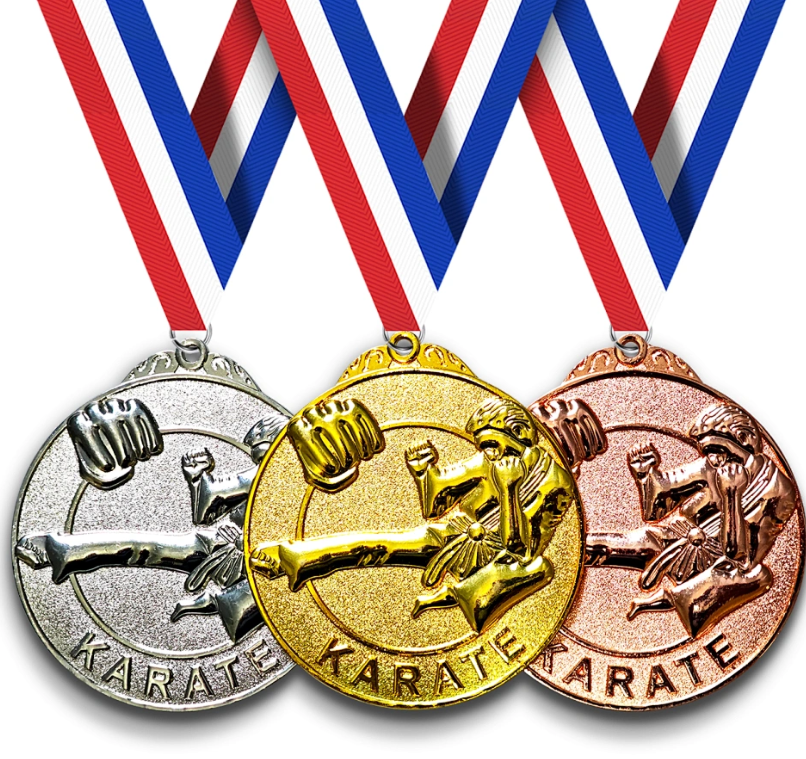
Several types of medals recognize sports achievements at various levels. The most famous are Olympic gold, silver, and bronze medals awarded to top finishers in each event. Other international sports medals include Paralympic medals (for athletes with disabilities), World Championship medals (awarded by sport-specific federations), and Commonwealth Games medals. At the national level, countries award medals in their own Olympic trials and championship events. Professional sports sometimes use medals for league championships, while amateur competitions often award participation medals. Specialized sports medals include those for specific achievements, like the Tour de France yellow jersey (though not a medal, it serves a similar recognition function).
What Are the Eligibility Criteria for Military Medals?
Eligibility criteria for military medals vary by medal type but generally include specific requirements related to service, conduct, and achievement. For valor medals (like the Medal of Honor or Silver Star), criteria focus on acts of bravery in combat, often requiring evidence of risking one's life to save others or accomplish a mission. Service medals (such as the National Defense Service Medal) require honorable service during specific time periods or in designated locations. Achievement medals recognize exceptional performance in non-combat roles, like leadership or technical expertise. All military medals require verification through official records and typically must be recommended by superiors through a formal process.
What Is the Symbolism and Meaning Behind Religious Medals?
Religious medals are rich in symbolism, with designs that convey spiritual meanings and intentions. Most feature images of saints, holy figures, or religious scenes that represent specific virtues or protections. For example, St. Christopher medals depict the saint carrying the Christ Child, symbolizing safe travel. St. Benedict medals include Latin inscriptions and symbols representing protection against evil. The Miraculous Medal shows the Virgin Mary with outstretched hands, symbolizing her role as a mediator between believers and God. Many religious medals also include prayers or dates significant to the faith tradition. For wearers, these medals serve as physical reminders of their beliefs and as objects of devotion.
How Has Medal Design Evolved Throughout History?
Medal design has evolved significantly throughout history, reflecting cultural, technological, and artistic changes. Ancient medals were often simple, with basic engravings or symbols representing the awarding authority. During the Renaissance, medals became more elaborate, featuring detailed portraits of rulers and intricate border designs. The 19th century saw standardized designs for military and sports medals, with inscriptions describing the achievement. Modern medal design balances tradition with innovation—Olympic medals now incorporate host country culture, while military medals maintain symbolic elements but use modern manufacturing techniques. Digital technology has also influenced design, allowing for more complex patterns and personalized elements while preserving the medal's role as a tangible recognition of achievement.


Longyi Metal Craft Products Co., Ltd, in Dongguan City, Guangdong Province focuses on the field of metal gift foreign trade. It‘s exquisite craftsmanship and efficient service have made it the prefered supplier of the world's top 500 companies.Mainly produces and customizes various medals, badges, hat pins and golf divot tool。
The factory is equipped with fully automatic casting production lines and CNC finishing equipment. The technical team independently developed 16 quality control nodes, from 3D modeling, precision casting tonano-electroplating. The original mirror polishing process makes the product gloss reach more than 98%,and the defect rate is less than 0.3%.
Support small batches of spot direct shipments, 48 hours of rapid delivery to ensure 15 days of delivery for European and American customers.24-hour online response to needs.cumulatively developed 800+ customized solutions for global customers, and the customerre purchase rate has exceeded 65% for 5 consecutive years.From pre - sale design, production, to delivery, we strictly control every detail. Your complete satisfaction is quaranteed!
Do Olympians Pay Taxes on Medals?
Medal FAQs: From Display to Eligibility


For more questions please
contact us

+86 1347760487

sales15@longyimetal.com

BUILDING 1, NO. 7, YINGHE 2ND STREET, YAOSHAN, XIEGANG TOWN, DONGGUAN CITY, GUANGDONG PROVINCE