
What Is the Caldecott Medal?
What Is the Caldecott Medal? & Other Medal History/Collection Questions

Related Medal Questions
- What Is the Caldecott Medal?
- What Is the Value of World War II Medals?
- What Is the Congressional Gold Medal Awarded For?
- How Has Medal Design Evolved Over History?
- What Happens to Stolen Olympic Medals?
- How Is the Newbery Medal Different from the Caldecott Medal?
- What Material Is the Nobel Prize Medal Made Of?
- What Were Ancient Medals Used For?
- What Is Inside Olympic Medal Boxes?
- What Tips Help with Starting a Medal Collection?
What Is the Caldecott Medal?
The Caldecott Medal is a prestigious annual award in children’s literature, presented by the American Library Association (ALA) to honor the "most distinguished American picture book illustrator" for work published in the previous year. Established in 1938, the medal is named after Randolph Caldecott, a 19th-century British illustrator known for revolutionizing children’s book art with dynamic, story-driven drawings. The Caldecott Medal recognizes excellence in illustration—judging how art enhances the story, creativity, and appeal to child readers. Each year, the ALA also names "Caldecott Honor Books" as runners-up, and winning titles (e.g., The Lion and the Mouse, Where the Wild Things Are) often become beloved classics in children’s literature.
What Is the Value of World War II Medals?
The value of World War II medals varies widely based on rarity, condition, and historical significance. Common medals like the Good Conduct Medal or National Defense Service Medal typically sell for $10–$50. More prestigious medals like the Distinguished Service Cross or Bronze Star Medal (with "V" device for valor) can fetch $500–$5,000. Medals with documented histories of bravery—such as those awarded to soldiers who participated in D-Day or the Battle of the Bulge—may be worth even more, sometimes exceeding $10,000 at auction. Sentimental value often outweighs monetary worth for families, but collectors prize WWII medals with intact ribbons, original cases, and provenance (records of ownership).
What Is the Congressional Gold Medal Awarded For?
The Congressional Gold Medal is the highest civilian honor bestowed by the U.S. Congress, awarded to individuals, groups, or institutions for "extraordinary achievements or contributions to American history and culture." Established in 1776 (making it older than the Medal of Honor), the medal is crafted from gold and features a custom design reflecting the recipient’s accomplishments. Past recipients include George Washington, Rosa Parks, the Navajo Code Talkers, Nelson Mandela, and the Apollo 11 crew. The Congressional Gold Medal is not awarded for military service (that’s the Medal of Honor) but for achievements in areas like civil rights, science, arts, and public service. Awarding the medal requires a vote of both the U.S. House of Representatives and Senate.
How Has Medal Design Evolved Over History?
Medal design has evolved dramatically to reflect cultural, technological, and artistic shifts. Ancient medals (e.g., Egyptian, Greek, Roman) were simple—often made of gold or silver, with basic engravings of rulers, gods, or military victories. During the Renaissance (14th–17th centuries), medals became more elaborate, featuring detailed portraits of nobility and intricate border designs, crafted using improved metalworking techniques. The 19th century brought standardization: military medals (like the Purple Heart) adopted uniform shapes and symbolic imagery, while sports medals (e.g., early Olympic medals) used classic motifs like laurel wreaths. Modern medals balance tradition and innovation—Olympic medals incorporate host-country culture (e.g., Tokyo 2020’s recycled metal), and digital design tools allow for complex patterns, though the core purpose of honoring achievement remains unchanged.
What Happens to Stolen Olympic Medals?
Stolen Olympic medals rarely have a clear "fate"—outcomes depend on recovery efforts and legal ownership. If a medal is reported stolen and later found by law enforcement, it is typically returned to the original athlete or their family (if the athlete has passed away). For example, in 2018, a stolen gold medal won by U.S. swimmer Katie Ledecky was recovered and returned after the thief was arrested. If a stolen medal is sold to a collector, the collector may lose legal ownership if the theft is documented—most countries void sales of stolen property. Some stolen Olympic medals end up in unregulated markets or private collections unknowingly, but ethical collectors often work with authorities to return them. In rare cases, stolen medals are never recovered, becoming lost to history.
How Is the Newbery Medal Different from the Caldecott Medal?
The Newbery Medal and Caldecott Medal are both awarded by the ALA but honor different aspects of children’s literature. The Newbery Medal, established in 1922, recognizes the "most distinguished contribution to American literature for children"—focusing on writing, storytelling, and narrative quality. It is awarded to authors, not illustrators, and winning books (e.g., Bridge to Terabithia, The One and Only Ivan) often have complex themes accessible to young readers. The Caldecott Medal (established 1938) honors illustration excellence in picture books, judging how art enhances the story, style, and creativity. While the Newbery Medal celebrates written work, the Caldecott Medal highlights visual art—both are considered top honors in children’s publishing, and some books have won both "Honor" distinctions (though not the main medals in the same year).
What Material Is the Nobel Prize Medal Made Of?
The Nobel Prize Medal is crafted from a specific blend of metals to reflect its prestige. Each medal is made of 18-carat green gold plated with 24-carat gold, giving it a rich, warm yellow appearance. The medal weighs approximately 175 grams (about 6 ounces) and has a diameter of 66 millimeters. The design varies slightly by prize category: the front of every medal features a portrait of Alfred Nobel (the founder of the Nobel Prizes), while the reverse side depicts imagery tied to the specific prize (e.g., Nature uncovering her veil for Physics/Chemistry, a poet writing for Literature). The medals are minted by the Swedish Mint for all prizes except the Peace Prize, which is produced by the Norwegian Mint.
What Were Ancient Medals Used For?
Ancient medals served a range of purposes, primarily tied to power, honor, and commemoration. In ancient Egypt (3500–30 BCE), medals (often made of gold) were awarded to military leaders and loyal subjects as symbols of royal favor. Ancient Greek medals (5th century BCE onward) were used to honor Olympic champions—though early "prizes" were laurel wreaths, metal medals later became common to mark athletic achievement. Roman medals (1st century BCE–5th century CE) were more diverse: some celebrated military victories (engraved with battle scenes), others honored emperors or religious festivals, and a few were given as gifts to allies. Unlike modern medals, many ancient versions were not worn—instead, they were displayed in homes or temples as status symbols, though smaller medals were sometimes carried as amulets.
What Is Inside Olympic Medal Boxes?
Olympic medal boxes are designed to protect the medal and add cultural significance, with contents varying by host city. The core item is always the Olympic medal (gold, silver, or bronze), but boxes often include additional elements that reflect local heritage. For example: 2020 Tokyo Olympics: Boxes were made of sustainable wood, holding the medal and a papercraft model of the Olympic Stadium. 2018 PyeongChang Olympics: Boxes contained the medal and a traditional Korean "jangseung" (wooden totem) keychain. 2024 Paris Olympics: Boxes will feature a fragment of the Eiffel Tower, with the medal paired with a small replica of the tower. All boxes are lined with soft material (like velvet or felt) to prevent scratches, and some include a certificate of authenticity. The box itself becomes a keepsake, complementing the medal’s significance.
What Tips Help with Starting a Medal Collection?
Starting a medal collection requires focus, research, and care to build a meaningful set. First, choose a niche—focus on a specific type of medal (e.g., Olympic medals, military medals, religious medals) to avoid being overwhelmed. Research thoroughly: learn about medal history, materials, and authentication (e.g., how to spot fake military medals or Olympic medals). Buy from trusted sources—reputable auction houses, specialized medal dealers, or certified collectors— to ensure authenticity. Preserve medals properly: store them in acid-free cases or display boxes to prevent tarnishing, and avoid touching them with bare hands (oils can damage metal). Document your collection: keep records of each medal’s origin, date, and significance, as provenance increases value over time. Finally, join medal collector communities to learn from others and stay updated on new finds.


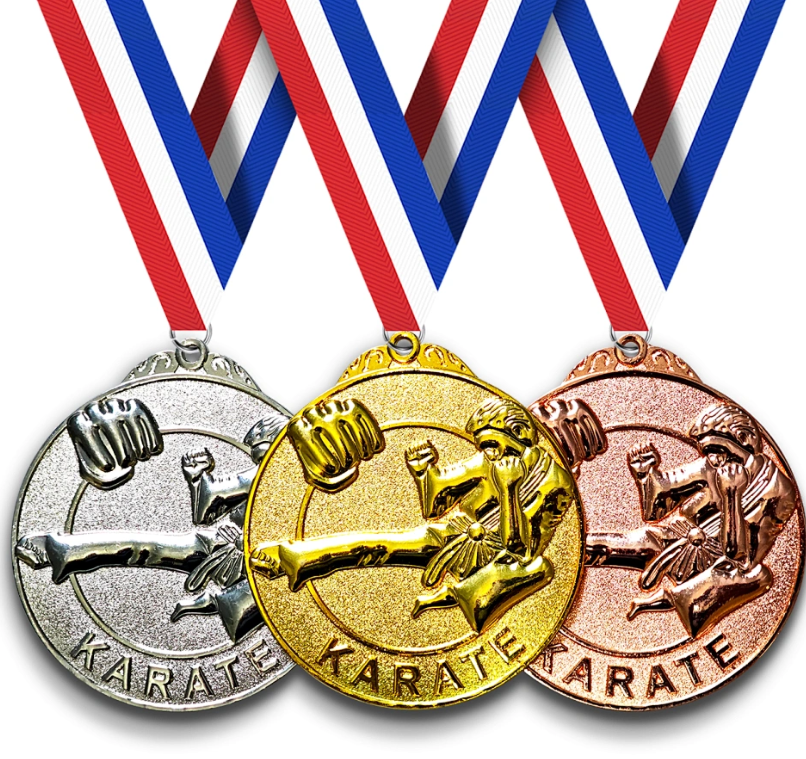
Longyi Metal Craft Products Co., Ltd, in Dongguan City, Guangdong Province focuses on the field of metal gift foreign trade. It‘s exquisite craftsmanship and efficient service have made it the prefered supplier of the world's top 500 companies.Mainly produces and customizes various medals, badges, hat pins and golf divot tool。
The factory is equipped with fully automatic casting production lines and CNC finishing equipment. The technical team independently developed 16 quality control nodes, from 3D modeling, precision casting tonano-electroplating. The original mirror polishing process makes the product gloss reach more than 98%,and the defect rate is less than 0.3%.
Support small batches of spot direct shipments, 48 hours of rapid delivery to ensure 15 days of delivery for European and American customers.24-hour online response to needs.cumulatively developed 800+ customized solutions for global customers, and the customerre purchase rate has exceeded 65% for 5 consecutive years.From pre - sale design, production, to delivery, we strictly control every detail. Your complete satisfaction is quaranteed!
Do Olympic Team Sports Count as One Medal?
What Is the Medal of Honor?


For more questions please
contact us

+86 1347760487

sales15@longyimetal.com

BUILDING 1, NO. 7, YINGHE 2ND STREET, YAOSHAN, XIEGANG TOWN, DONGGUAN CITY, GUANGDONG PROVINCE